CALL NOW · (719) 499-7787
  1. Home
  2. Felony Bail Bonds
Felony bail bonds

Felony bail bonds in Colorado Springs & Woodland Park

If someone you love was just arrested on a felony charge, the news lands heavy — bigger bond, higher stakes, more moving parts. It is still a solvable problem — one that gets solved in El Paso and Teller County, and across Colorado, every week.

The situation

What you’re dealing with

Colorado ranks felonies from class 1 (F1), the most serious, down to class 6 (F6) — with drug felonies on their own track, DF1 through DF4. Where the charge sits on that ladder shapes everything about the bond. An F6 or F5 might carry a bond in the four figures; serious felonies routinely climb into five and six. I’ve written bonds across that entire range, and the process is the same — there’s just more to walk through.

Timing matters too. On a felony, the bond is set or reviewed at advisement — the first appearance in front of a judge, usually within a day or so of booking. Until that happens, there may be no number to post against. That waiting period is miserable for families, but it isn’t wasted time: I use it to get the paperwork staged so we can move the moment the judge sets the amount.

Collateral comes up more often on felony bonds, simply because the numbers are bigger. Real‑estate equity is the classic; paid‑off vehicles and certain other assets can work too. Collateral is held, not spent — it comes back when the case ends and the bond is exonerated, provided every court date gets made. Whether your bond needs it depends on the amount and the situation, and I’ll tell you plainly on the first call.

Co‑signing a felony bond is a serious promise. If the defendant misses court, the co‑signer can be on the hook for the full bond amount — on a felony, that can be a life‑changing number. That’s why I walk through every line of the agreement before anyone signs, and why I’d rather lose a bond than have a co‑signer sign something they don’t understand.

Felony bonds at a glance
Charge classes
F1–F6

Drug felonies run DF1–DF4 on their own track.

Bond set at
Advisement

First appearance — usually within a day or so of booking.

Premium
One‑time fee

State‑filed rates, typically 10–15% of the bond.

Collateral
Held, not spent

Real‑estate equity or paid‑off vehicles; returned at exoneration.

How it works

How a felony bond works

Same three steps as any bond — with a little more care at each one.

Step 01

You call — even before the bond is set.

Tell me who’s in custody and where — the El Paso County CJC, the Teller County Jail in Divide, or any jail in Colorado. If advisement hasn’t happened yet, I’ll tell you what to expect, help you track the bond amount when it posts, and get everything staged in the meantime.

Step 02

Paperwork, line by line.

The application, the indemnity agreement, and any collateral arrangements — most of it by phone and online. You’ll know the exact premium before signing; rates are filed with the state, typically in the 10–15% range. Nothing gets glossed over, especially not what the co‑signer is agreeing to.

Step 03

Posting and walkout.

I post the bond at the jail and stay on it until release. Felony bonds sometimes carry court‑ordered conditions — protection orders, monitoring, travel limits — and I’ll make sure you understand them before your person walks out, not after.

Common questions

Felony bond questions

Q.01Will I need collateral?

Not always. Plenty of felony bonds are written on a signature and the premium alone — it depends on the bond amount, the charge, and the overall picture. When collateral is needed, real‑estate equity is the most common answer; paid‑off vehicles and some other assets can qualify. It’s held as security, never spent, and returned when the case ends and the bond is exonerated. I’ll tell you on the first call whether your situation is likely to need it.

Q.02The bond is six figures. Is this even possible?

Yes. Large bonds get written in this county every week, and walking families through them calmly is the job. The premium is still a percentage of the total — set by rates filed with the state, typically in the 10–15% range — and on a bond that size, collateral is usually part of the conversation. I won’t sugarcoat what it takes, but I will lay it out exactly, and the call to find out costs you nothing.

Q.03How long until advisement sets the bond?

Courts here run advisements frequently, including by video, so most people see a judge within a day or so of booking — though weekends and holidays can stretch that. Until the judge sets or confirms the amount, there’s nothing to post against. Call me during the wait anyway: I’ll help you watch for the number, get the paperwork ready, and move the moment it appears. Procedures change, so I’ll tell you what’s current when we talk.

More resources

Related reading

For the full picture from arrest to exoneration, start with how bail bonds work in Colorado. If the felony is a drug charge, drug charge bonds covers the DF levels and the conditions courts sometimes attach; if it’s a domestic violence case, DV bonds explains why the timing is different. There’s a warrant involved? Warrants & failure to appear covers the walk‑through turn‑in.

For jail and court specifics, the local pages for each county are Colorado Springs and Woodland Park & Teller County. The full list of bonds I write is at services.

A few practicalities before you dive in. Felony cases in El Paso County are heard at the courthouse complex on Tejon Street in downtown Colorado Springs; Teller County cases run through the court in Cripple Creek. The first appearance after release comes up fast, so confirm the date, time, and courtroom before you leave the jail — and put it somewhere you can’t miss it.

Then start a folder. Booking number, bond paperwork, the premium receipt, and every court date as it gets scheduled. A felony case can run for months through hearings and continuances, and the family member who keeps that calendar is doing real work: every appearance made keeps the bond in good standing and moves the case toward the day the bond is exonerated and any collateral comes home.

Last, the walkout. Once the bond is posted, the timeline belongs to the jail — release runs on booking volume, headcounts, and shift changes. Ask me for an honest window at the CJC or in Divide, and plan the pickup around that instead of guessing from the parking lot.
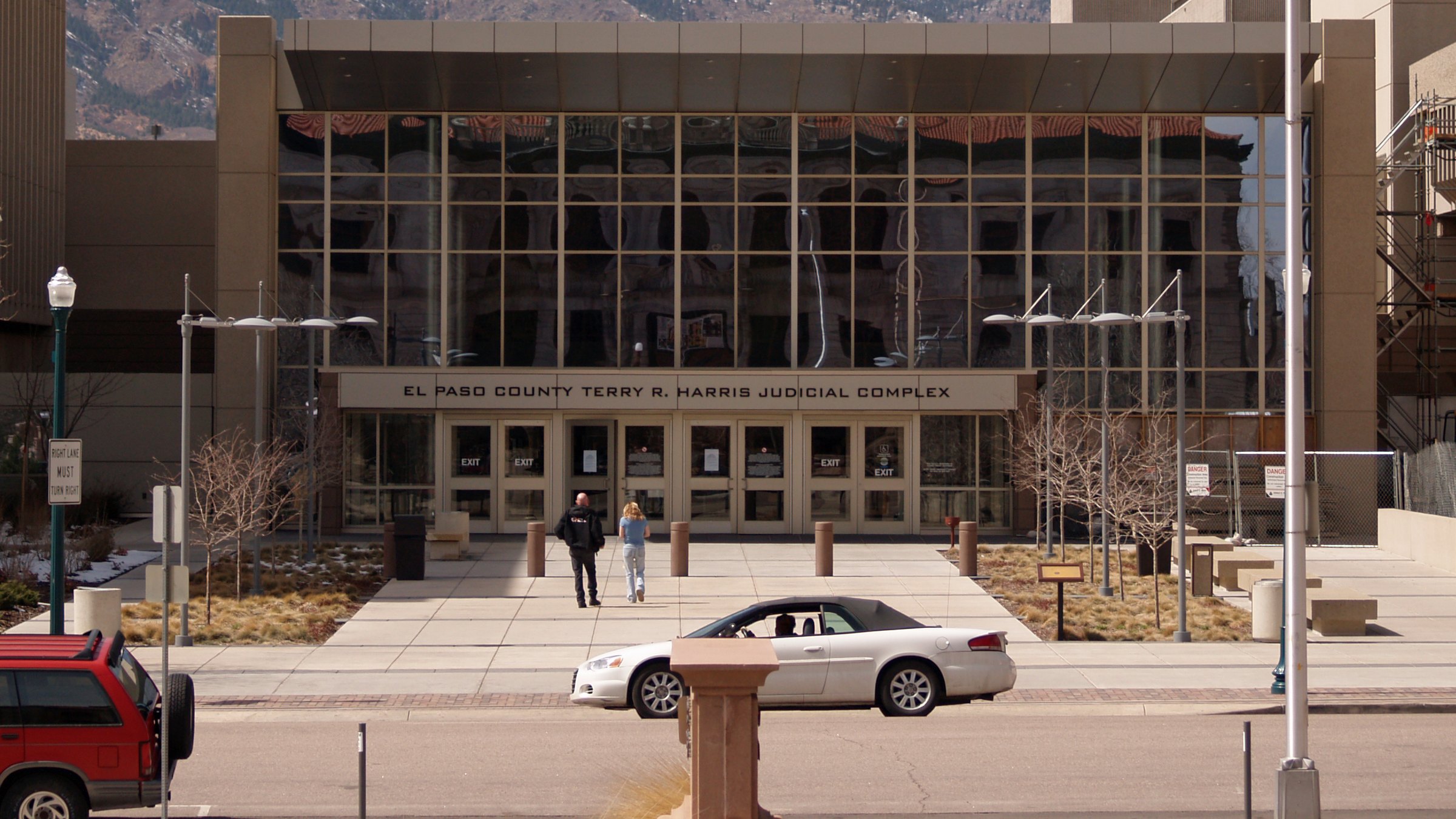
The El Paso County Terry R. Harris Judicial Complex in downtown Colorado Springs, its name lettered above the entrance doors, with two people walking in
The Terry R. Harris Judicial Complex in downtown Colorado Springs — where El Paso County felony cases are heard
Open 24 hours a day

Facing a felony bond? You don’t need a pep talk. You need a plan.

Felony bonds are serious paperwork — and walking families through them calmly is the job. Call, and I’ll walk you through every line.

Colorado Springs · Woodland Park · Statewide · On call 24/7