You call. I locate.
Give me a name and, if you have it, a date of birth. While we talk I’ll pull up the CJC’s records, confirm the charges, and find the bond amount — you don’t need a booking number to start.
Someone in custody at the El Paso County jail? Take a breath — you found the right number. One call starts the release, any hour of any night.
If you’re reading this, the night has probably already gone sideways — someone you love was arrested in Colorado Springs and you’re trying to work out what happens next. Here’s the short version: a bail bond can be posted at any hour, most of the paperwork happens over the phone, and you don’t need to understand the system before you call. Explaining it is my job.
I’m Dave Wood. I’ve been writing bail bonds in Colorado Springs since 1997, which adds up to nearly three decades of booking rhythms at the El Paso County CJC — the county’s jail — the courthouse on Tejon Street, and phone calls that start with “I don’t know what to do.” Colorado Springs and El Paso County are home base, but I write bonds statewide, anywhere in Colorado. Call (719) 499-7787 and we’ll take it from the top together.
Whoever’s phone rang first — a parent, a spouse, a best friend — usually ends up as the co‑signer: the person who signs the agreement and guarantees the defendant will show up for every court date. That’s a real commitment, not a formality, and I’ll make sure you understand exactly what your signature means before you give it.
It also helps to write things down as you learn them: full legal name, date of birth, which jail, the charges, the bond amount. Blanks are normal — nobody starts this night with a complete file — but every detail you gather shortens the path between this phone call and the walk out the jail’s front door.

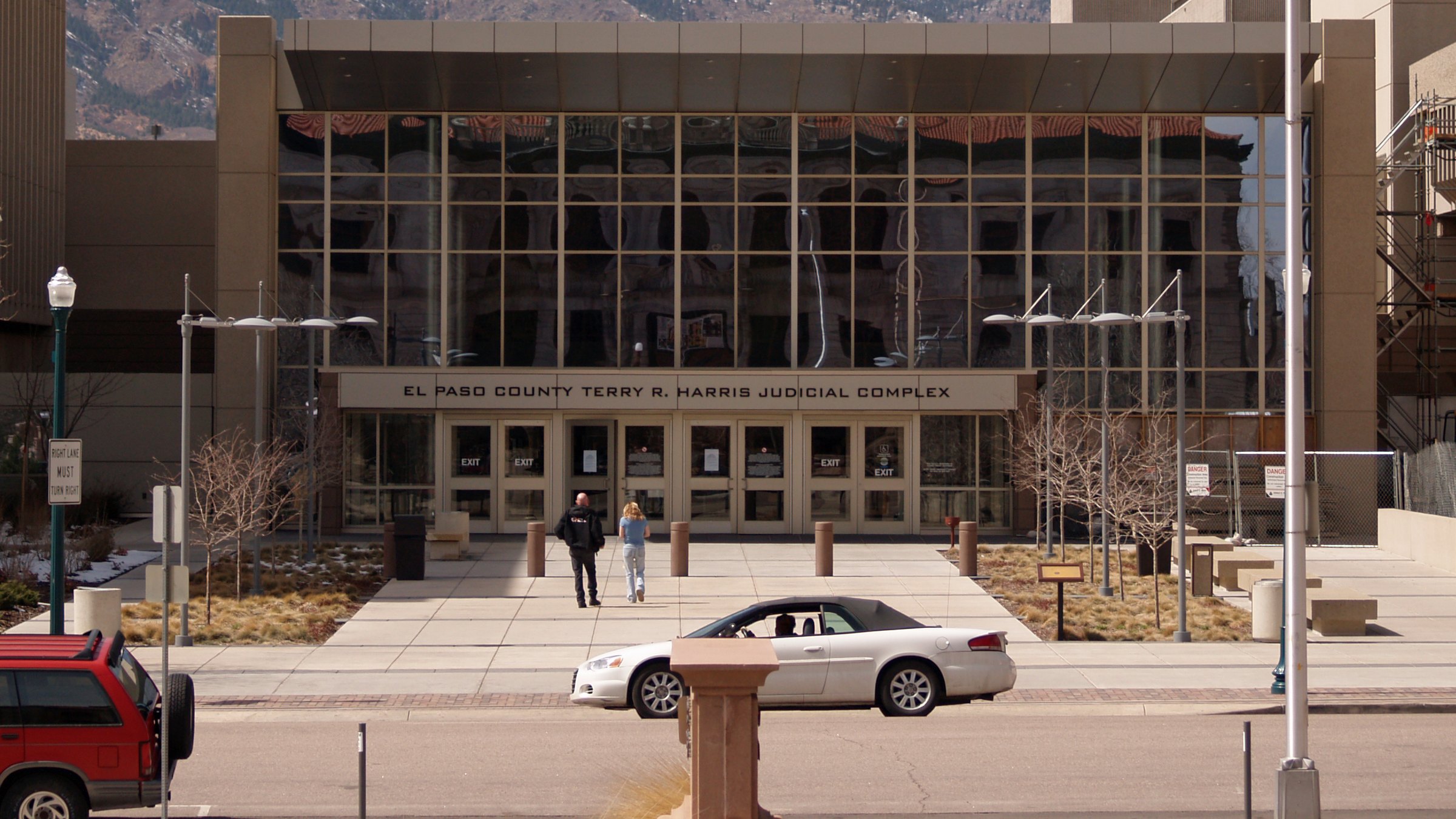
Nearly every arrest in Colorado Springs — and everywhere else in El Paso County — books into one building: the El Paso County Criminal Justice Center, the CJC, on East Las Vegas Street. It’s run by the El Paso County Sheriff’s Office, and it’s the county’s main jail.
Here’s what a family sees from the outside: a few quiet hours during booking when nothing seems to happen, then the person appears in the sheriff’s online inmate locator with their charges and, often, a bond amount. If bond hasn’t been set yet, it usually happens at advisement — the first court appearance, generally within a day or two of arrest.
Recent arrests can take hours to show up in the locator while booking finishes. Can’t find them? Use the inmate search guide or call me — I can usually locate someone in a few minutes.
Once the name does show up, copy down everything the locator gives you — booking number, each listed charge, the bond amount and type. Those details turn a scattered first call into a focused one, and the booking number in particular avoids confusion when more than one person with the same name is in custody.
One exception to the usual rhythm: domestic violence arrests. Colorado puts a mandatory hold on those — no bond can be posted until the defendant has gone in front of a judge, which typically happens at that same advisement. So if the locator shows charges but no bond amount, a hold is often the explanation, not a clerical error.
East Las Vegas Street, Colorado Springs
Full walkthrough: the CJC, explained · find an inmate
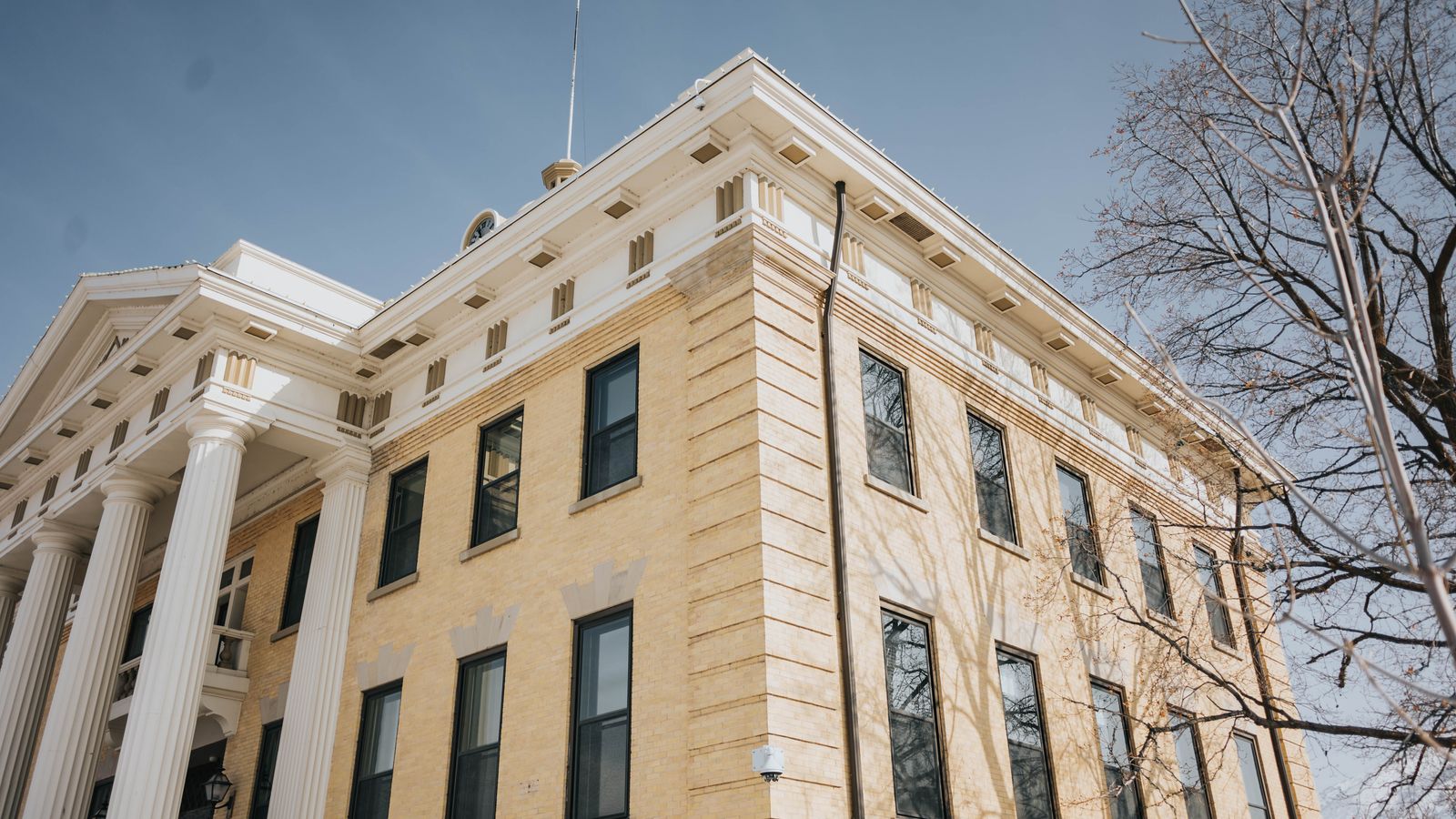
Cases out of Colorado Springs land in one of two places. State-level charges — felonies, misdemeanors, most of what people mean by “county charges” — run through the El Paso County Combined Courts on Tejon Street in downtown Colorado Springs. City ordinance violations go to the Colorado Springs Municipal Court instead.
Why you should care: the court determines where and when the defendant has to appear, and showing up at the wrong courthouse is how a small problem becomes a warrant. When we write the bond, I’ll tell you exactly which court the case belongs to and make sure the paperwork lands where it should. And if a municipal ticket and a county case are tangled together — it happens more often than you’d think — call me before anyone drives anywhere, and we’ll sort out both.
Bonding out is the start of the court story, not the end of it. Every appearance made keeps the bond in good standing; a missed one means a warrant and a revoked bond — the expensive, avoidable version of events. A few habits keep it boring, in the best way:
Tejon Street, downtown Colorado Springs
Not sure which lane the case is in? That’s a one‑minute phone question.
Same procedure at 2 p.m. or 2 a.m. Three steps, and you can do your part from the kitchen table.
Give me a name and, if you have it, a date of birth. While we talk I’ll pull up the CJC’s records, confirm the charges, and find the bond amount — you don’t need a booking number to start.
The application and agreement are handled by phone and online. The premium comes from rates filed with the state — typically in the 10–15% range — and you’ll hear your exact number before you sign anything.
I post the bond at the jail and stay on it until they walk out. Release processing time depends on how busy booking is — I’ll give you an honest window, not a fantasy number.
Want the full picture — co‑signers, collateral, what happens after release? It’s all in how bail bonds work in Colorado.
From downtown to the Powers corridor, Old Colorado City to the Broadmoor — if the arrest happened in El Paso County, the person is almost certainly at the CJC, and I can help. I regularly write bonds for families in Security‑Widefield, Fountain, Falcon, Monument, and Manitou Springs, and just as often for parents calling from out of state about a kid arrested here.
If you’re one of those long‑distance callers, plan the ride home early. Releases happen whenever the jail finishes processing, day or night, and the person walking out won’t have a car waiting — line up a local friend, a relative, or a rideshare before the bond is posted rather than scrambling after.
The court dates, though, happen here in person — nobody phones those in. If the defendant lives out of the area too, build travel time into the plan from the start; missing an appearance over a long drive undoes everything the bond accomplished.
One map detail worth knowing: the county line changes the destination. An arrest in Woodland Park, Divide, Florissant, or Cripple Creek books into the Teller County Jail in Divide — not the CJC — and those cases run through the court in Cripple Creek. Same process, same call, different buildings.
Distance doesn’t change the process: the paperwork happens by phone and online, the bond gets posted at the jail either way, and your part usually happens right where you’re sitting. El Paso and Teller are home base, but the reach doesn’t stop at the county line — I write bonds statewide, anywhere in Colorado. Up the pass in Teller County? That’s home turf too — see the Woodland Park & Teller County page. Wherever you’re calling from, the fastest move is the same: (719) 499-7787, any hour of any night.
Every bond I write in the Springs is a licensed surety bond — the differences live in the details of the charge. Start with the page that matches your situation: misdemeanor bonds, felony bonds, DUI bonds, or drug charge bonds.
For context, a Colorado judge can set bond in a few forms. A personal recognizance (PR) bond releases someone on a signature alone. A cash bond means the court holds the full amount until the case ends. A property bond pledges real estate instead. And a surety bond — the kind a bondsman writes — means you pay a premium and I answer to the court for the full amount.
Which form the judge picks isn’t a menu you order from — it follows the charge and the case. Most families land in surety territory because the full amount is more cash than anyone has sitting around, and closing that gap is the entire reason bondsmen exist.
Two money facts worth knowing early. The premium is a one‑time fee, not a deposit — it doesn’t come back at the end of the case, even when charges get dismissed. Collateral works the other way: anything pledged to secure a larger bond is held, never spent, and it’s returned once the court exonerates the bond.
Two situations get their own playbook. Domestic violence bonds move on a different clock — that page is worth the read. And warrants & failure to appear is where to start if you want to get ahead of a warrant instead of waiting for it.
Not sure which bucket you’re in? Browse all services — or skip the reading and just call.

Honestly: it varies more than anyone wants to hear. Once I post the bond, release processing depends on how busy booking is and where the shift is in its cycle — a couple of hours on a quiet weeknight, noticeably longer on a packed weekend. What I won’t do is quote you a fantasy number to win your business. I’ll tell you what the jail looks like right now and keep you posted until they’re out.
Usually neither. Most bonds are handled entirely by phone and online: the application, the agreement, the payment. You stay home, I go to the CJC. If your situation genuinely calls for a face‑to‑face — some do — we’ll arrange a time and place that works when you call. Either way, nobody has to sit in a parking lot on East Las Vegas Street at 3 a.m.
Municipal charges are violations of Colorado Springs city ordinances and run through the Colorado Springs Municipal Court. County — really state — charges are misdemeanors and felonies under Colorado law, handled at the El Paso County Combined Courts on Tejon Street. The bond process feels similar from your side, but the courts, dates, and paperwork differ, and I write bonds for both. Tell me what you know and I’ll figure out which lane the case is in.
Yes. The CJC books people in every day of the year, and I post bonds every day of the year — Christmas morning included. The only honest caveat: weekends and holidays are the jail’s busiest stretches, so release processing can run slower than a Tuesday afternoon. The bond side won’t be the holdup. Call whenever it happens; the phone gets answered around the clock.
If your person is at the CJC, the next page to read is the CJC, explained — what booking looks like from the outside, when a judge sets bond at advisement, and why release runs on the jail’s clock instead of yours. If the name hasn’t turned up in the locator yet, the inmate search guide walks through the lookup and tells you exactly what to copy down once the entry appears.
Already know the charge? Go straight to the page that matches it. Misdemeanor bonds, felony bonds, DUI bonds, and drug charge bonds each go deeper than a county page can. Domestic violence bonds is the one to read first if that’s the situation — the timing works differently, and knowing that up front saves a night of confusion.
For the whole sequence in plain English — premium, co‑signer, collateral, exoneration, and what each one actually costs you — read how bail bonds work in Colorado. Services lists every bond I write if you’re not sure which category the case falls into. And warrants & failure to appear is where to start if nobody has been arrested yet and you’d rather get ahead of it.
The FAQ takes on the questions most families are too polite to ask on a first call: what the premium covers, what it doesn’t, who is allowed to co‑sign, and what a missed court date sets in motion. If you’d rather know who you’re handing tonight to before you dial, about Dave is short and honest, and contact lists every way to reach me.
When you’re ready to move, the online bond application asks for the same details we’d cover on the phone anyway — you can fill it in from the kitchen table while you wait for a callback. And if the arrest turns out to be up the pass rather than in the Springs, Woodland Park & Teller County is the page you want. Different buildings, same process, same number: (719) 499-7787.
You handle one phone call. I’ll handle the jail — paperwork by phone, bond posted at the CJC, straight answers the whole way.
Colorado Springs · Woodland Park · Statewide · On call 24/7